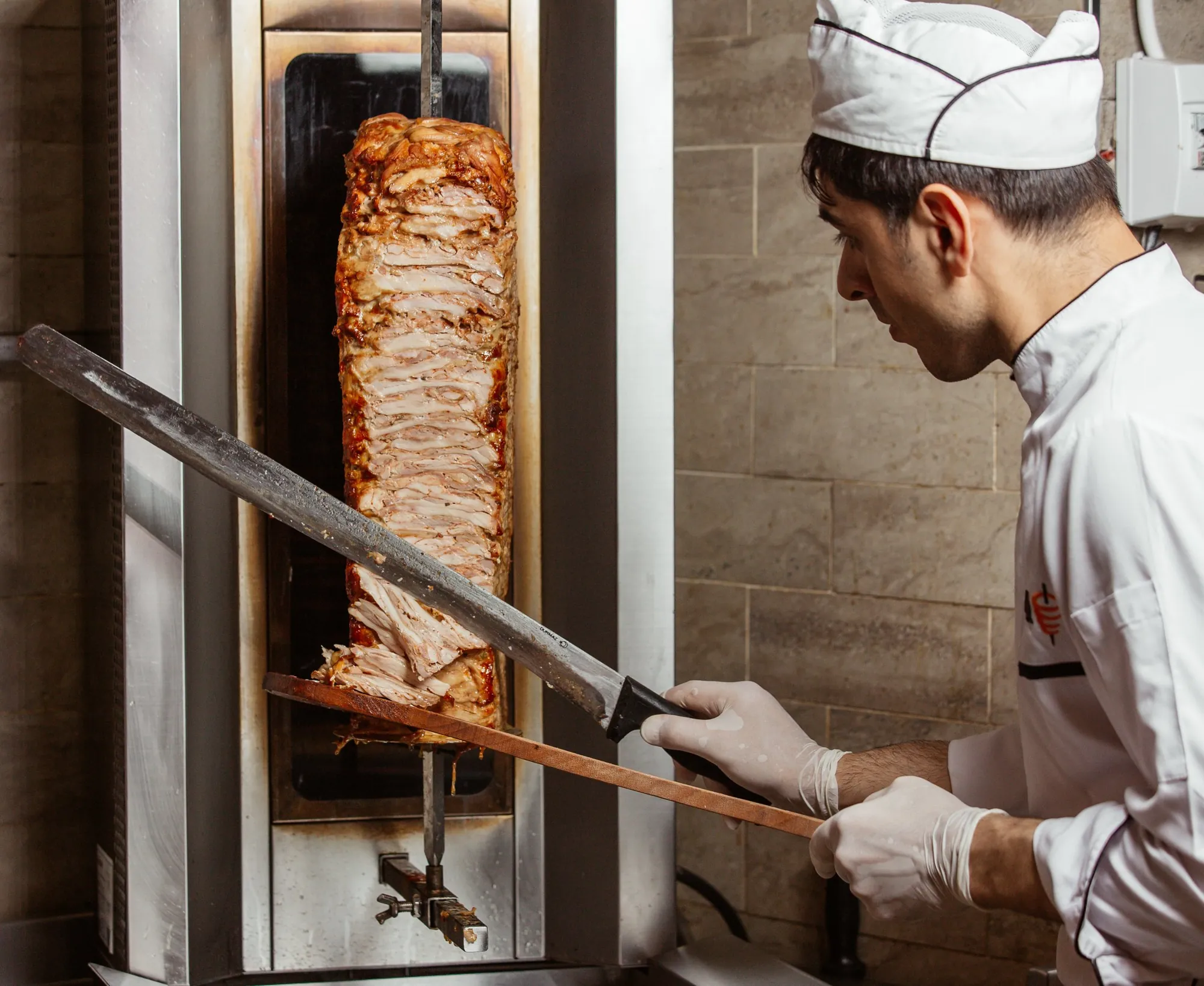
The word appears on signs at the Brunnenmarkt, at doner stands and by now on supermarket shelves too. And for some people it triggers a slight unease, as if with every bite you were signing a contract you hadn't read. Time for some clarification. With facts and a little garlic sauce.
Question 1What does halal actually mean?
Halal is Arabic and simply means “permitted” or “lawful”. The opposite is “haram”, meaning forbidden. The rules come from the Quran. So halal is neither a dish nor a spice blend nor a cuisine. It is more of a seal of quality with a religious background, comparable to “kosher” in Judaism.
And it is not really only about food: halal can also refer to cosmetics, care products or behaviour. Here, though, we stick to the plate.
Question 2What is not halal?
The list is manageable, but in places painful for Viennese ears:
- Pork and everything that comes from the pig. Yes, including the dripping bread.
- Alcohol, even hidden, for instance as a carrier in flavourings. So the Spritzer is out.
- Blood and products made from it. The Blunzn (blood sausage) unfortunately has no chance.
- Pork gelatine, for example in classic gummy bears, yoghurts or cake fillings.
- Meat that was not slaughtered according to the religious rules, as well as predators and birds of prey.
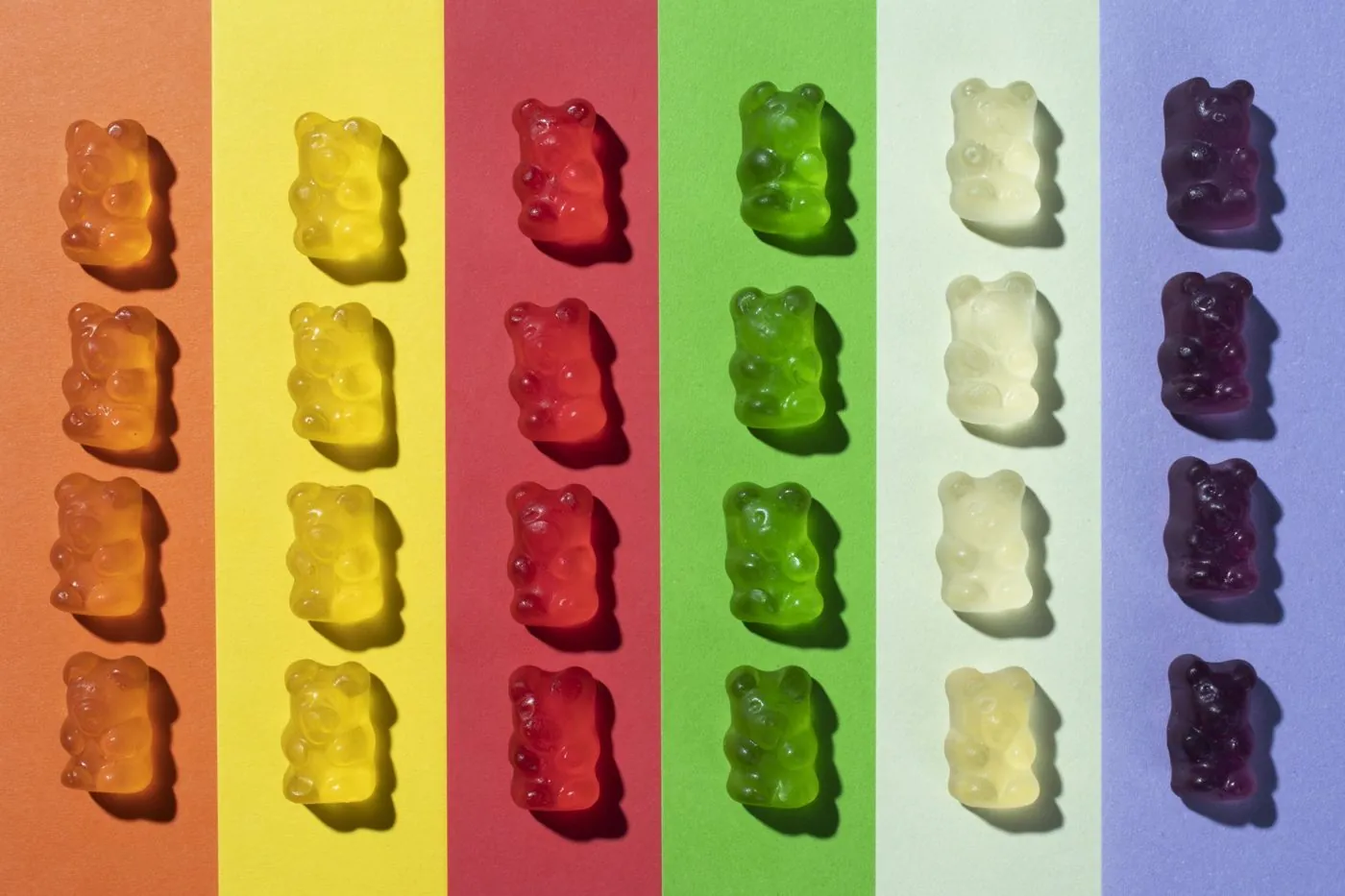
So the real danger in this report lurks in the bag of gummy bears. For those, incidentally, halal versions with beef gelatine have long existed.
Question 3And what is halal?
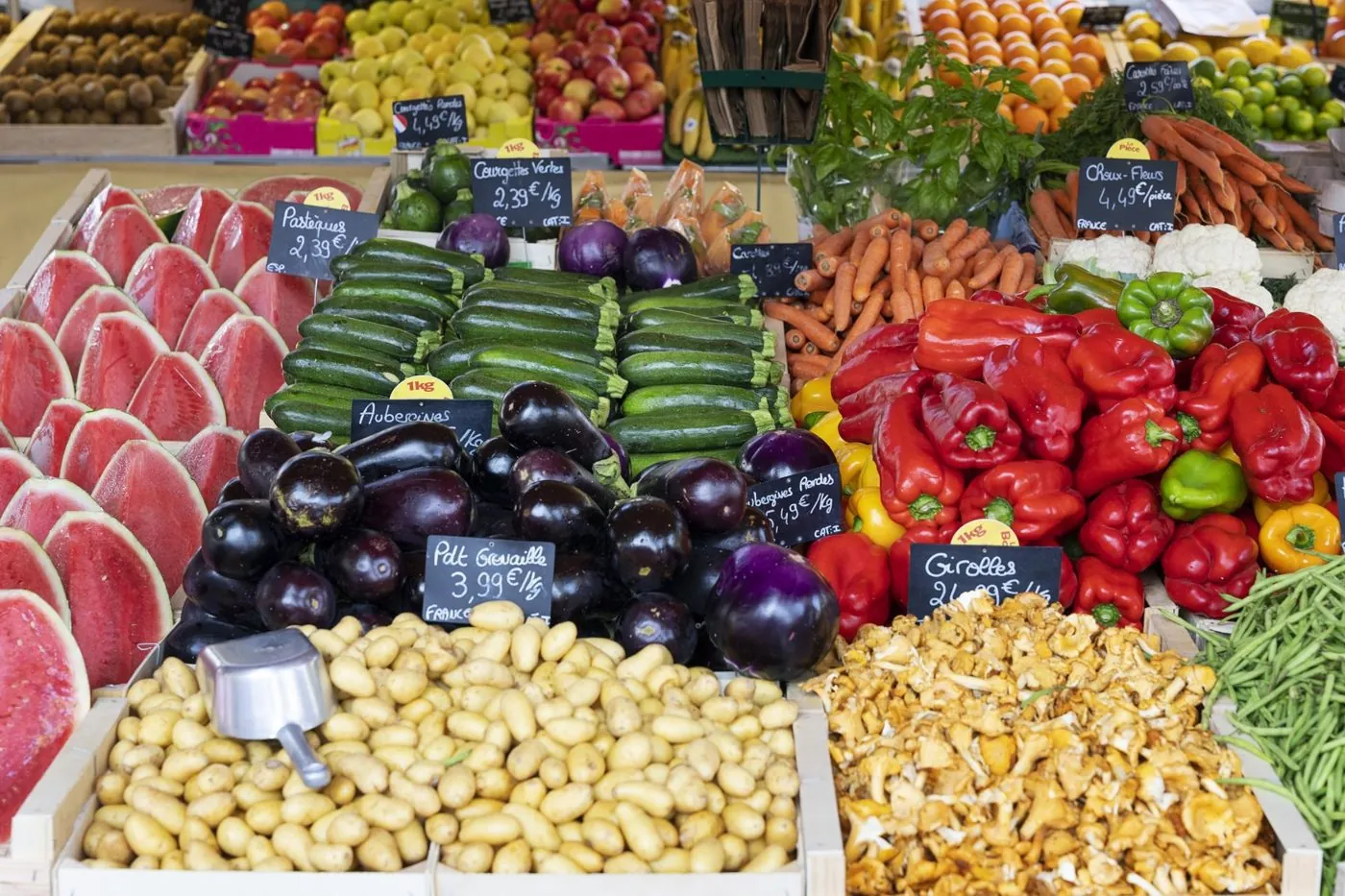
Almost everything else. Fruit, vegetables, bread, milk, eggs, vegetable oil and rice are halal by nature. So your potato salad has always been halal; it just never made a big deal of it.
✗ Haram
- Pork & dripping
- Alcohol
- Blood, e.g. Blunzn
- Pork gelatine
✓ Halal
- Fruit & vegetables
- Bread, rice, potatoes
- Milk & eggs
- Beef, lamb, chicken as prescribed
With beef, lamb or chicken, what matters is how the animal was slaughtered.
A Wiener Schnitzel made from veal can also be halal. For that, the meat must have been slaughtered accordingly and must not have been fried in pork lard.
Question 4Should we be afraid?
Short answer: no. Long answer: for halal meat, special religious rules apply at slaughter. These include a prayer and certain slaughter techniques. There is no more mystery to it than that, and of course Austrian animal welfare laws apply as well.
So the halal label on a yoghurt or a pack of rice is no reason for goosebumps. If you want to be afraid of something, take the last bite of the doner with too much hot sauce.
Question 5What does halal taste like?
Like what it is. A halal chicken tastes like chicken, a halal lamb like lamb. Halal is not a flavour but a production rule. Some swear that meat slaughtered halal is more tender. Whether you can really taste that is disputed. In the end, quality, feed and the person at the grill make the difference.
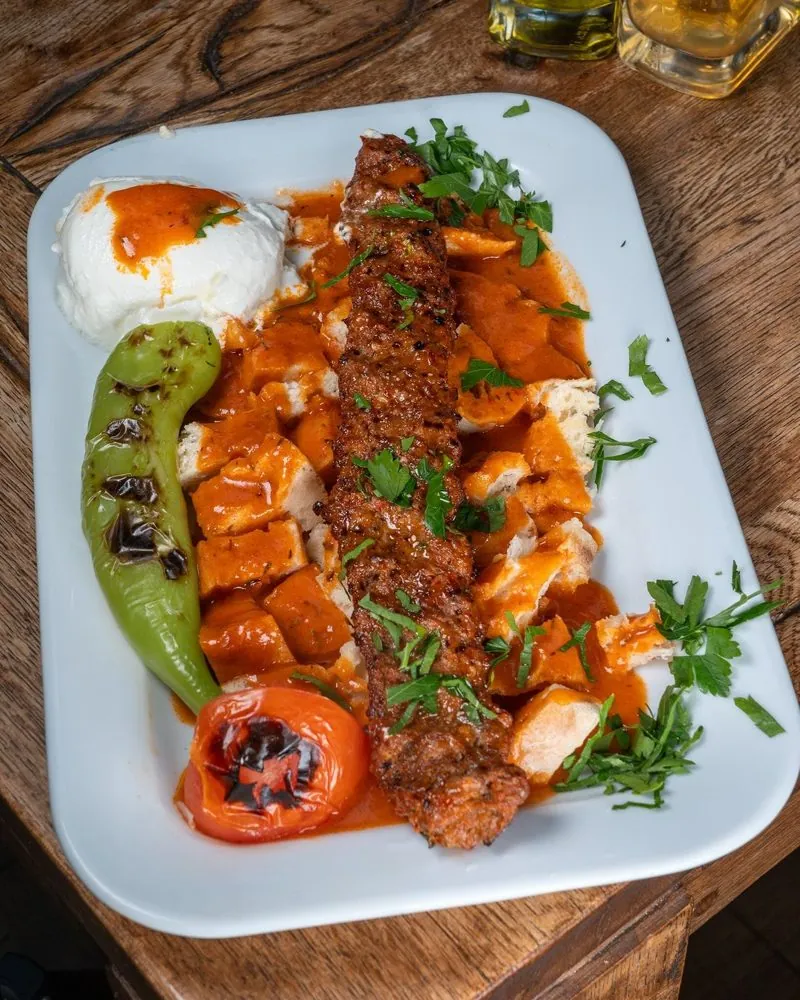
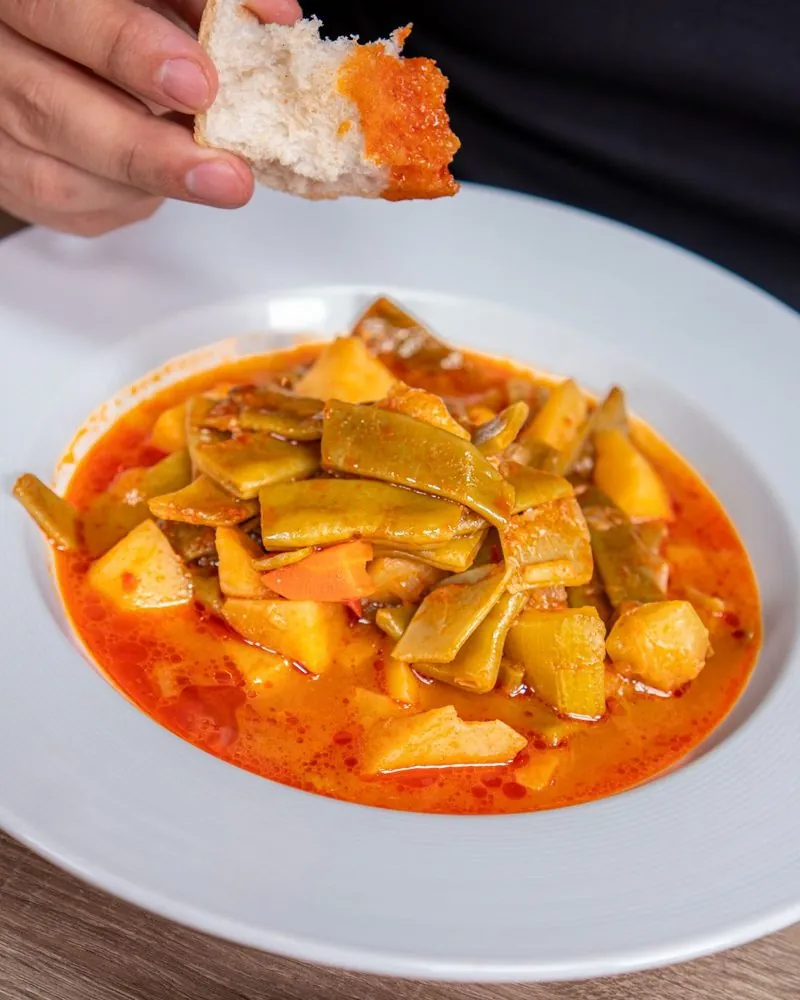
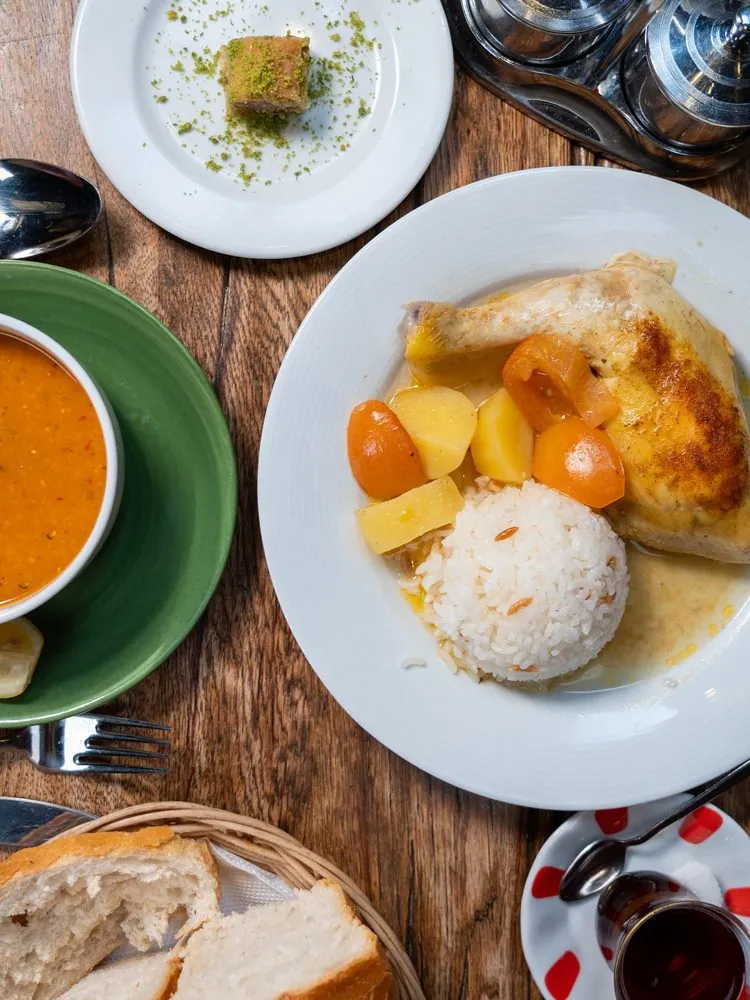
Turkish cuisine at the Brunnenmarkt: Adana kebab and vegetable stew at Kent in Ottakring.
Question 6May non-Muslims eat halal?
Of course. There is no rule that forbids it, and no ID you have to show at the doner stand.
Most Viennese eat halal regularly anyway, often without noticing: with a kebab, a falafel, a lahmacun or fruit from the market.
Question 7Do you become a Muslim if you eat halal?
You convert to Islam consciously, with a profession of faith out of conviction, not with a portion of Ćevapčići. You don't become Jewish by eating kosher food, or more Catholic by eating a doughnut (Krapfen) on Shrove Tuesday, either.
ConclusionHalal has long been part of everyday life in Vienna
Halal is a food rule, not a secret society. If you are curious, you will find a huge choice in Vienna, from the Brunnenmarkt in Ottakring to the city's best grill restaurants. Our tips for that: the best doner kebabs in Vienna and the best Turkish restaurants.
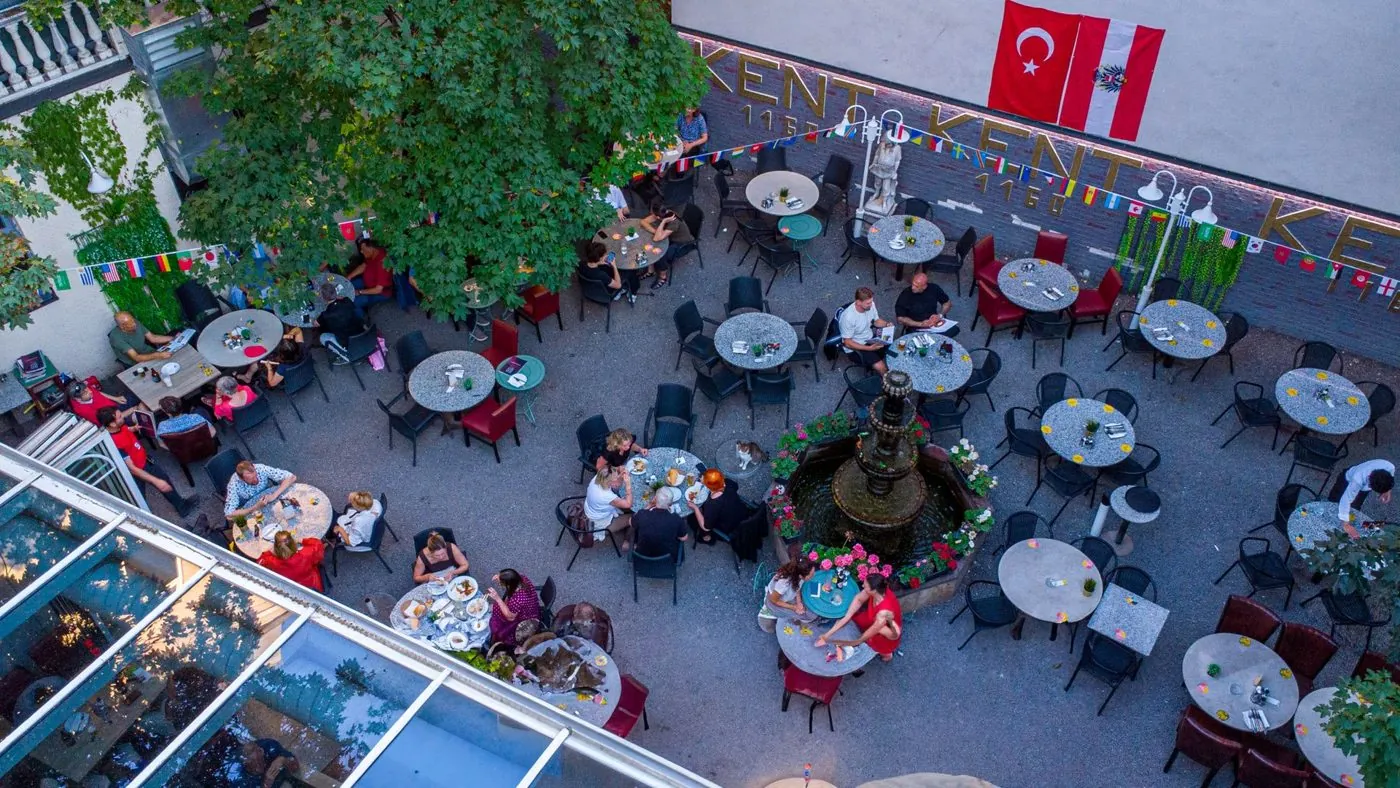
Enjoy your meal, or as they say at the Brunnenmarkt: Afiyet olsun!
As of: 7 November 2026. Sources: Verbraucherzentrale (“Halal essen: Wann ist ein Produkt halal?”), Planet Wissen (WDR). Images: Freepik (illustrative images), Kent Restaurant Ottakring.